Phuong Dao
My name is Phuong, born and grew up in Vietnam, since 2017 I have moved to The Netherlands and obtained two Master degrees:
Master Interior Architecture (Cum Laude) at ArtEZ University of the Arts Zwolle (2019), and Master Architecture (Cum Laude) at Academy of Architecture Amsterdam (2025).
My work experience includes: 2.5 years as Interior Designer at KAZE Studio in Ho Chi Minh City, Vietnam; 4 years as Architectural Assistant at Korth Tielens Architecten in Amsterdam, The Netherlands; currently I am working as architect at office Kraaijvanger in Rotterdam, The Netherlands while exploring the field of architecture through different medias: education, exhibitions, workshops.
Over the past period of 7 years, I found out that my works orbit around two themes: The Body and The House.
The Body: I believe in what I own: my body, independent from external forces, in the lack of machineries, the decision is always intrinsically mine. The body is the medium of my work, I come closer to my work when I am able to touch, feel physically, I need to subjectively live within.
The House: constructs the inner space that the body dwells within. From The House, there is a view to the world, the making of The House becomes a starting point, a means to experience and search for an answer to the external world around me.
With this principle as a base of my practice, I am learning and exploring in my everyday life.
If you would like to contact me, I am active through:
phuong.duy.dao@gmail.com
www.linkedin.com/in/phuongduydao
Kamer van Koophandel (kvk) number: 96475056
Dutch Architects Register number: 1.250602.002
Home, the biography of time – Nhà, tiểu sử của thời gian
(Tiếng Việt bên dưới)
I have three dreams about a house.
In the first dream, the house appears to me as a recollection of my childhood memories about the garden, the stairs, the bed, the study corner, my Mother. These memories, although they dwell in the form of my actual house, they are big, small, ambiguous and floating, just as cloudy as how dreams are.
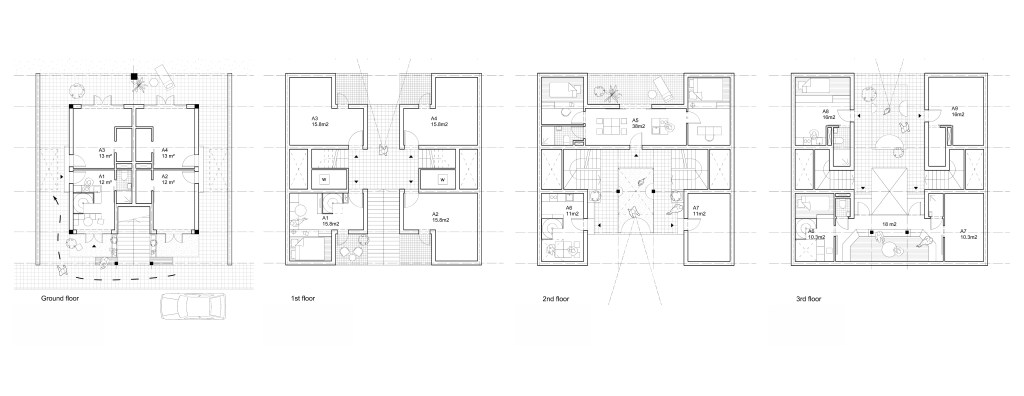
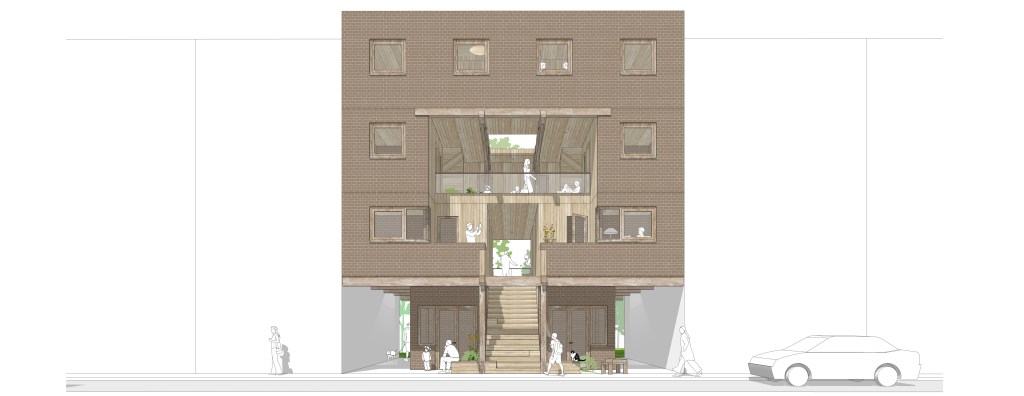
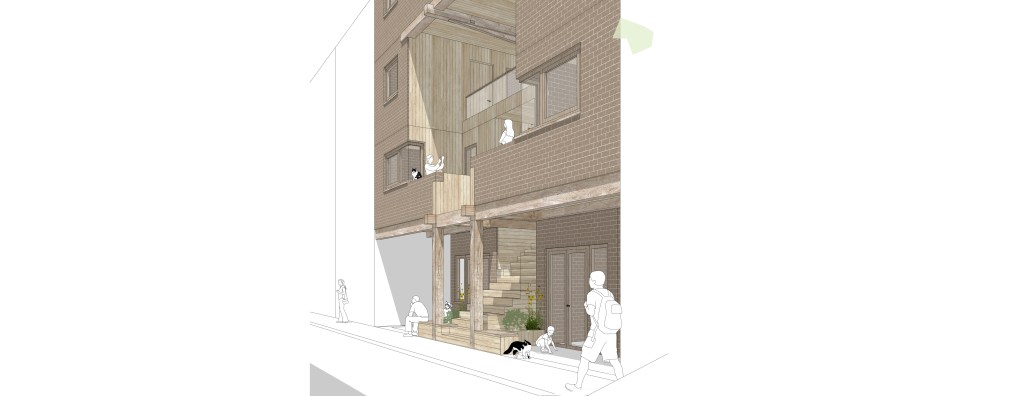
In the second dream, the house becomes more substantial, I started to see a house with columns, beams, walls and doors that I am able to live in. But the thing is: I don’t live here alone, the house invites people in different phases of life to come to dwell in. Here, my house is my house, but also a universal concept of mankind’s dwelling at home.
In the last dream, the house comes physically closer to me at most: I saw myself building and living in it. It becomes an experience in which the house, comes from the dreams, penetrates the reality.
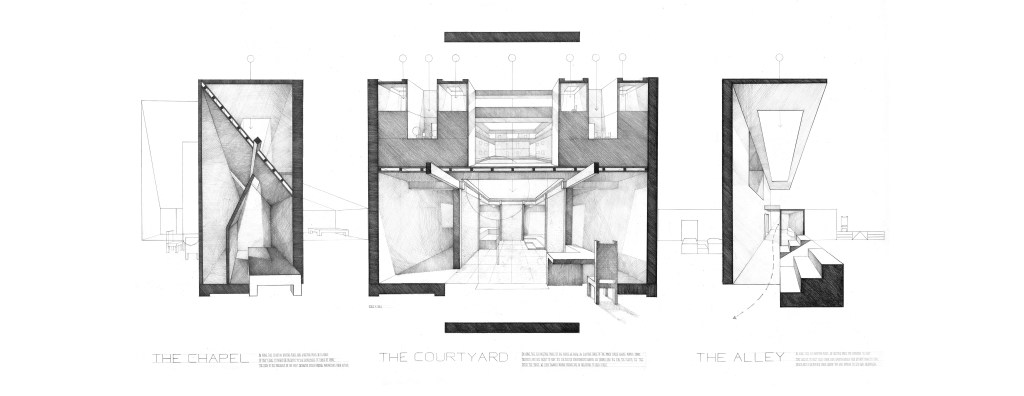
More than a year ago, I started the project by staying at the Monastery designed by Dom Hans van der Laan in Vaals, and since then, I do not find it necessary to see the difference between this building and my house. I see shadow, light, I see my solitude as well as my relation to the outside world, I see the figure of The Mother, I see a monk, after the day’s completion, comes to The Mother to say a prayer before going to bed. The differences in scales, names, functions of space therefore remain the absolute shell of its own, we do not build our homes from the ornaments and nonsense, we build our homes from the core essence of dwelling, in which by operating on my own memories of home and in reflection to others, I have found a core concept of dwelling at home: The Alley, The Courtyard and The Chapel- the ideas in which I believe of how and where to look at Home, the look to the outside world, the inner world or the world of the most inner self.
The architect Aldo van Eyck once said: “Architecture need do no more, nor should it ever do less, than assist man’s homecoming.” I think I cannot agree more than that, as human beings, we constantly search for the representatives of things that come and go in life, people, emotions, times, figures, objects; and as architects, to assist man’s homecoming I believe is to constantly search for new forms, which are the representatives of the ideas that come and go in life, of something that implicit in the body of our lives, people, emotions, times, figures, objects.
When I dream about Home, I dream about the biography of time, the recollection of my memories in phases of life, the people I met, the emotions I perceived, the time, the figures and objects I encountered, in which new interpretations, new forms are awaiting to begin again.
Tôi có 3 giấc mơ về một ngôi nhà.
Trong giấc mơ thứ nhất, ngôi nhà hiện lên là một tập hợp những ký ức về thời thơ ấu của tôi về nhà của mình, cái vườn, cái cầu thang, chiếc giường, góc học bài, Mẹ tôi. Mặc dù những ký ức này, chúng ngụ trong chính căn nhà thực tế của tôi, trong giấc mơ, chúng hiện ra hoặc to, hoặc nhỏ, hoặc mang nhiều ý nghĩa ẩn dụ, hoặc trôi lơ lửng và mộng mị, cũng giống như chính những giấc mơ luôn luôn là như vậy.
Trong giấc mơ thứ hai, ngôi nhà trở nên thực tế hơn, tôi bắt đầu nhìn thấy cột nhà, xà ngang, tường và cửa của căn nhà mà tôi có thể sống được trong đó, nhưng một điều lạ là tôi không sống ở đây một mình, ngôi nhà chào đón nhiều người ở nhiều giai đoạn sống khác nhau đến đây ở cùng. Ngôi nhà vẫn là ngôi nhà của tôi, nhưng ngôi nhà cũng là một hệ ý mang tính tổng diện về việc cư ngụ ở Nhà của con người.
Trong giấc mơ thứ ba, ngôi nhà chạm đến tôi bằng da bằng thịt một cách tuyệt đối nhất, tôi thấy mình xây nên nó, và sống ở trong đó. Nó đã trở thành một trải nghiệm của tôi, khi mà ngôi nhà này, đã chỉ từng có ở trong giấc mơ, nay hiện diện trong thế giới của hiện thực mà tôi đang sống.
Hơn một năm về trước, tôi đã bắt đầu mọi thứ bằng việc đến trọ một vài ngày tại một tu viện được thiết kế bởi Dom Hans van der Laan ở Vaals, kể từ khi đó, tôi không thấy thật sự cần thiết để tìm ra điều gì khác biệt giữa tòa tu viện này và nhà của mình. Tôi thấy bóng tối, ánh sáng, tôi thấy sự vắng lặng trong chính bản ngả của mình, cũng như là thấy mối quan hệ của mình với thế giới xung quanh. Tôi nhìn thấy hình dáng của Mẹ, tôi thấy một linh mục, sau giờ nguyện của cuối ngày, đến với Mẹ để nói một lời cầu nguyện trước khi về phòng đi ngủ. Sự khác biệt giữa những quy mô to nhỏ, tên gọi, chức năng của không gian, do đó chỉ là cái vỏ của chính nó, ta không xây nên Nhà bằng sự trang trí của những điều vô nghĩa, ta xây nên nhà bằng chính cái cốt lỏi của việc sinh sống ở Nhà, và bằng chính ký ức của mình về Nhà, cùng với sự tham khảo nghiên cứu từ cộng đồng, tôi tìm ra một hệ ý cốt lỏi của Nhà, mà tôi gọi tên theo từng không gian trong nhà của tôi: Cái Ngõ, Sân Trong, Phòng Nguyện- cái hệ ý mà tôi tin rằng dẫn dắt ta nhìn về Nhà, cái nhìn ra thế giới bên ngoài, cái nhìn vào thế giới bên trong, và cả thế giới sâu bên trong nội tâm của mỗi người.
Kiến trúc sư Aldo van Eyck từng nói: “Kiến trúc không nên làm gì hơn, mà cũng không nên làm gì kém hơn, là việc dẫn dắt con người trở về Nhà”. Tôi nghĩ là tôi không thể đồng ý hơn như thế, là con người, ta không thôi đi tìm kiếm cái hình cái dạng cho những điều đến và đi trong đời, con người, cảm xúc, thời gian, hình dáng, đồ vật; và là một kiến trúc sư, để dẫn dắt người ta về Nhà theo tôi là một công việc không ngừng nghỉ để đi tìm cái hình cái dạng cũng của những điều đến và đi đó, những điều mà đã thấm sâu trong cơ thể của cuộc đời chúng ta, con người, cảm xúc, thời gian, hình dáng, đồ vật.
Khi tôi mơ về Nhà, tôi mơ về tiểu sử của thời gian, một tập hợp những ký ức của tôi về từng giai đoạn trong đời, những con người tôi gặp, những cảm xúc tôi tìm thấy, thời gian, hình dáng, đồ vật tôi gặp gỡ, khi mà một cách hiểu mới, hay một hình một dáng mới đang chờ đợi cho một sự bắt đầu mới.
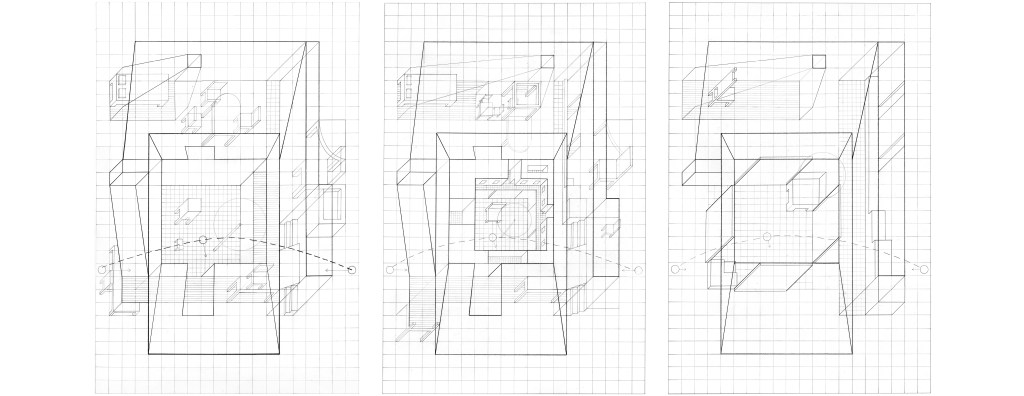
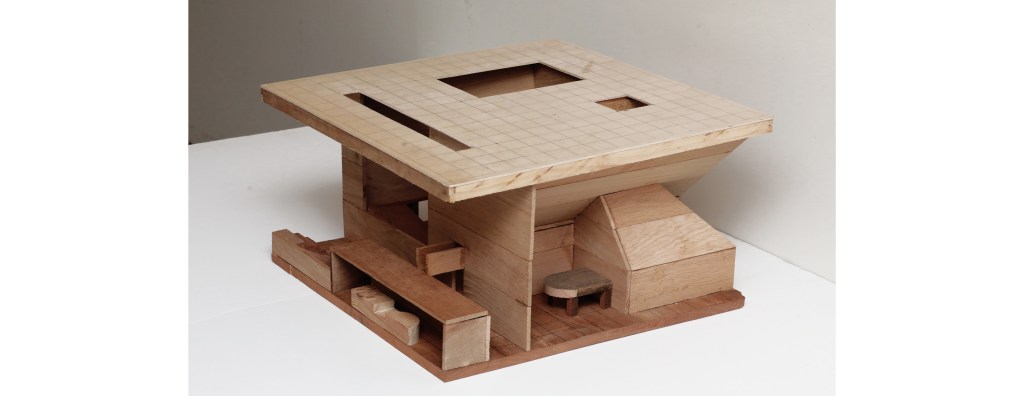
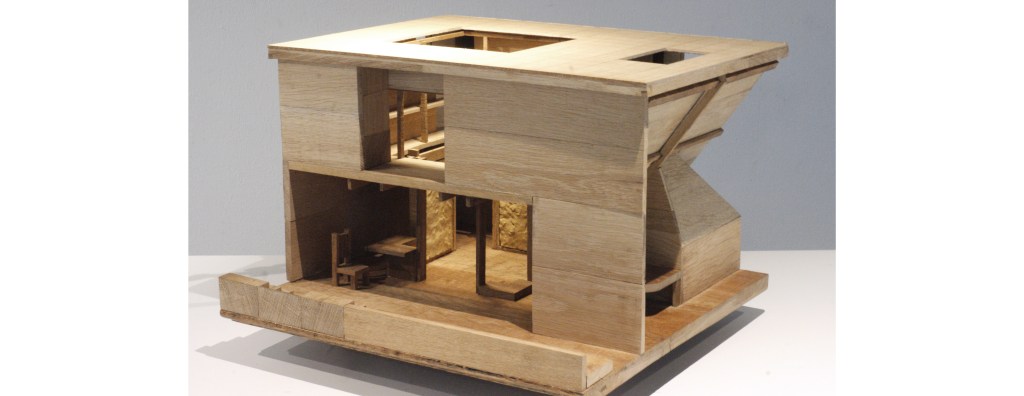
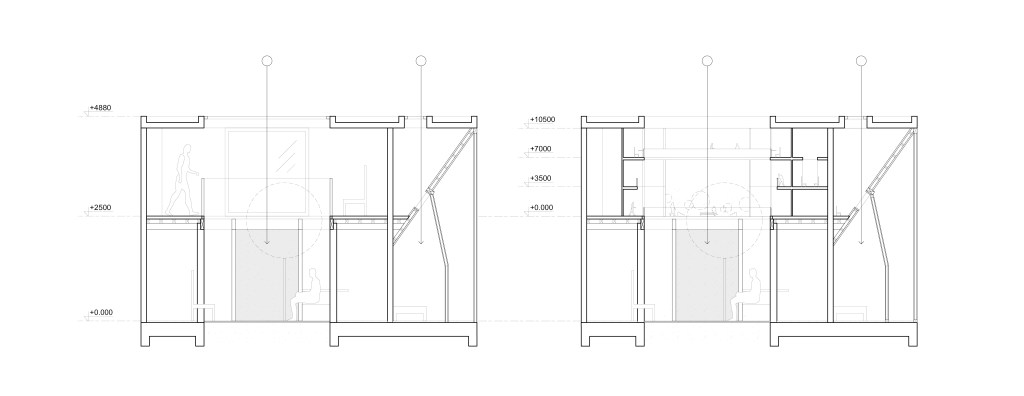
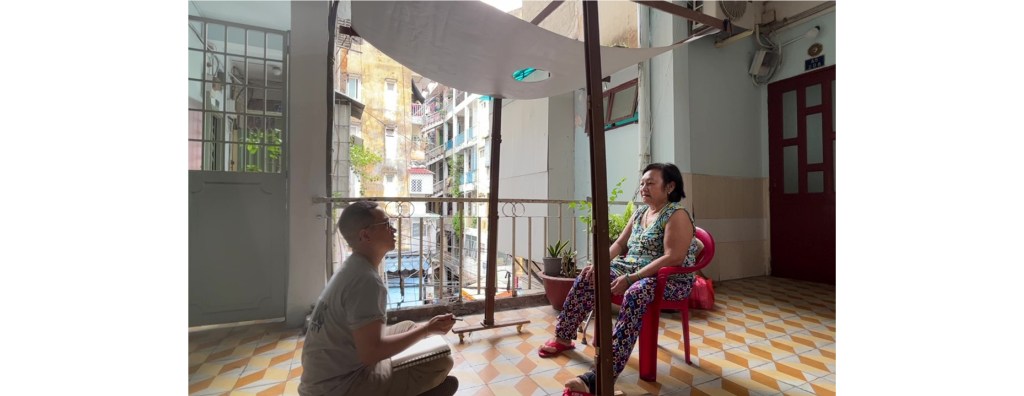
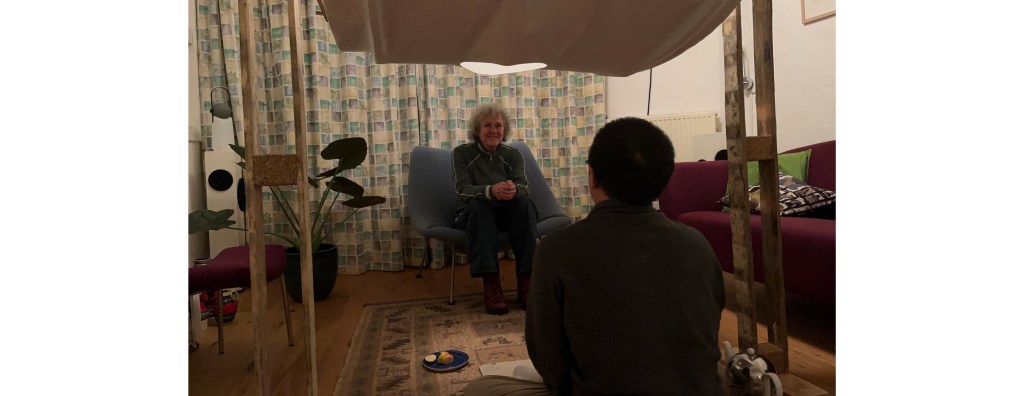
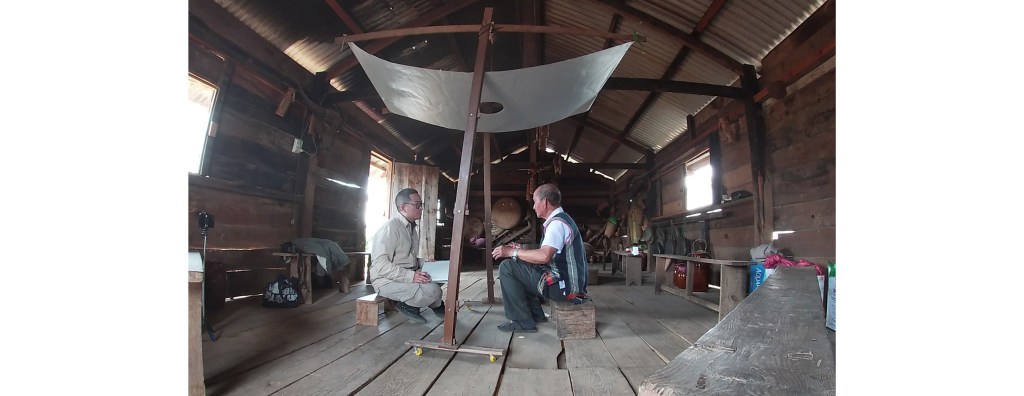
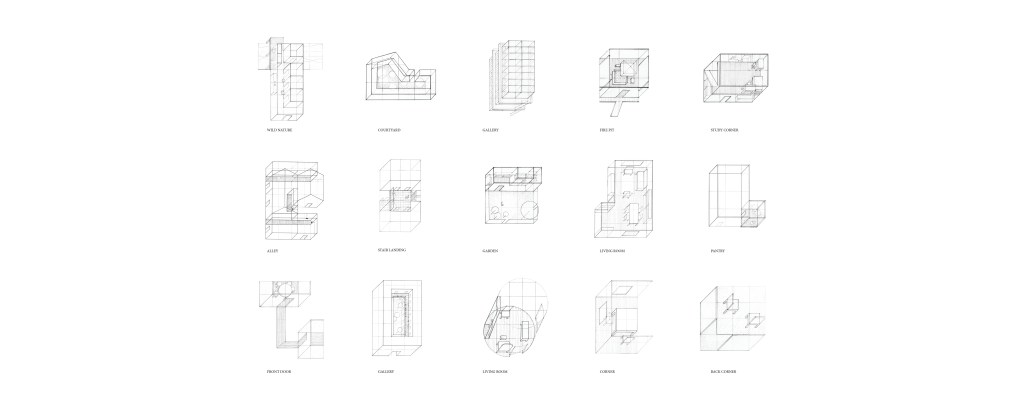
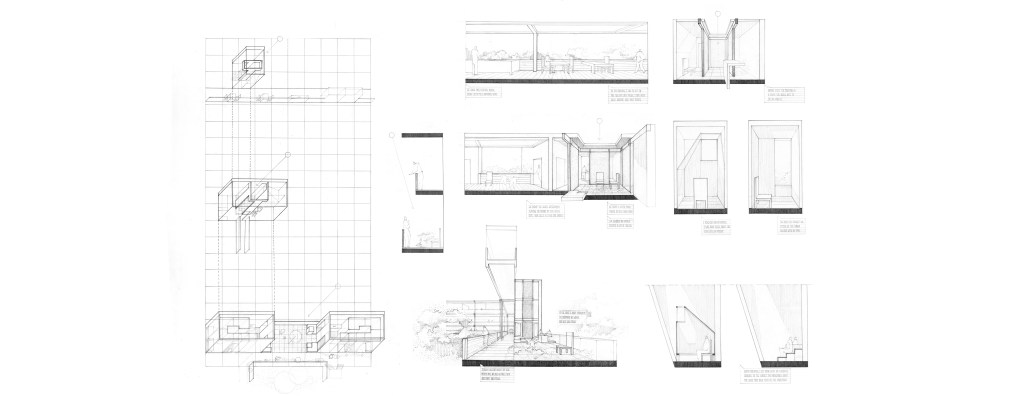
The Process
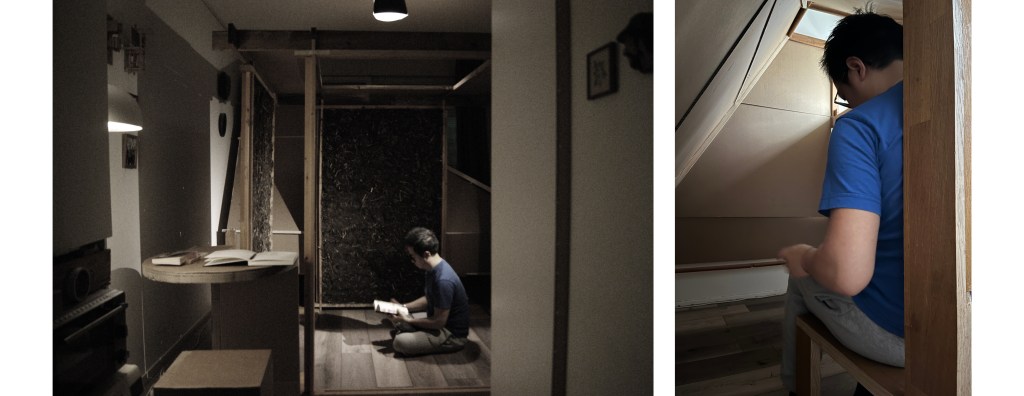
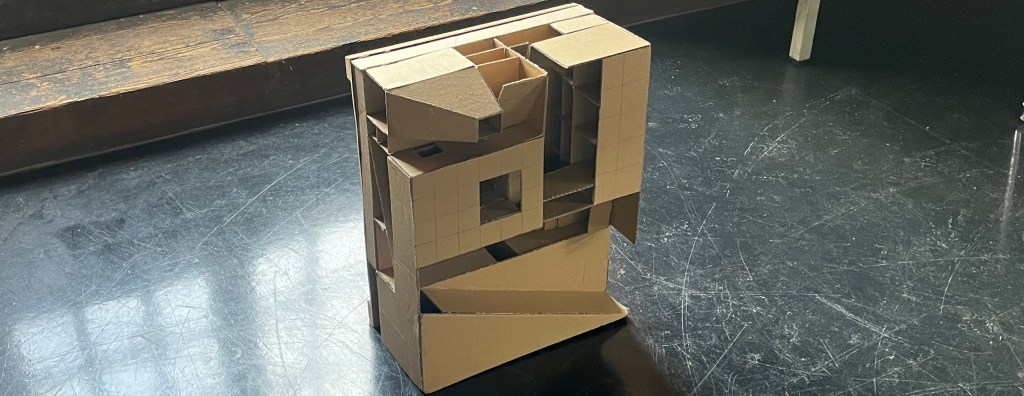
I would like to mention The Process as a subject on its own, the one that allows oneself to be free from pre-occupied thinking or settled-down agenda, in which there is no right or wrong about, but is quite important in finding new forms, new meanings, new interpretations of something that are usually already given. While searching in this kind of process, I think it is necessary to be foolish, hungry and acceptable to accidentals, the steering wheel to other directions, and a lot of times, opportunities from failure. It reminds me a lot of Louis Kahn, in the documentary My Architect: A Son’s Journey, he beautifully said: “How accidental we are, our existences are really, and how full of influence by circumstance.”
Personally, I believe The Process I am talking about is highly private. A lot of times I find it important to understand that processing is a work of my own, for one to sit down with oneself and enter the body of the work, in other words, it is very much personal, you can later decide to show it to others or not, but the intention of making the process is purely and highly private: I do not make it because I will show it to others.
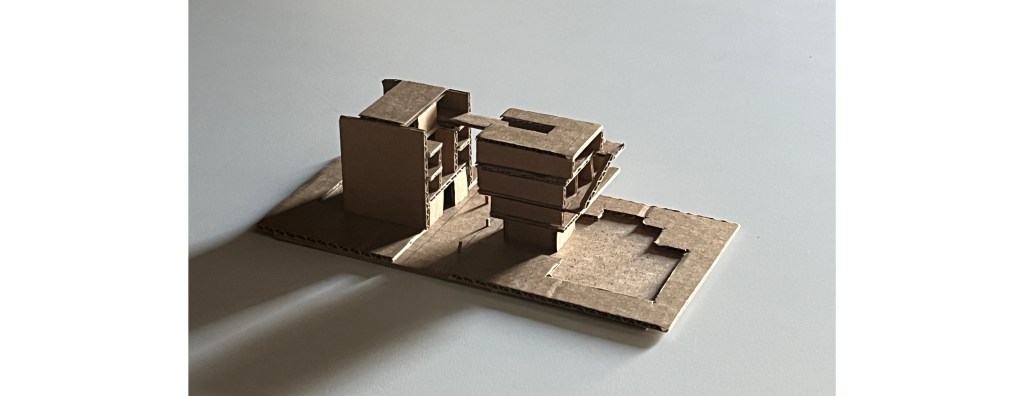
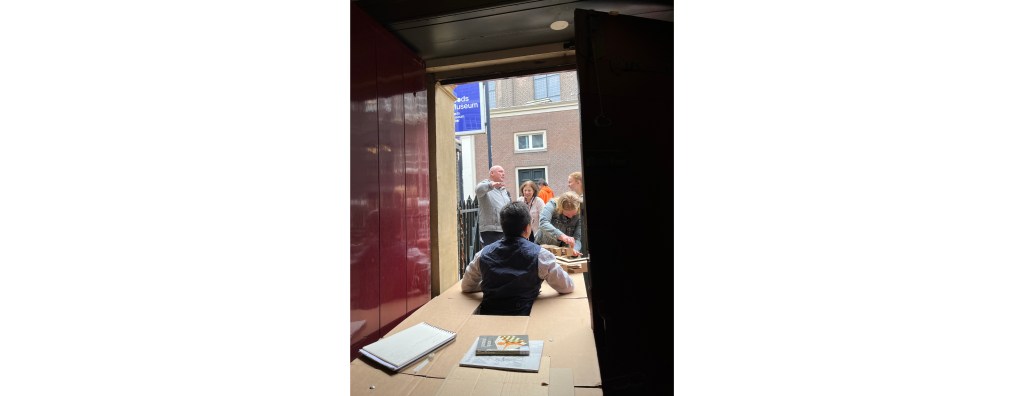
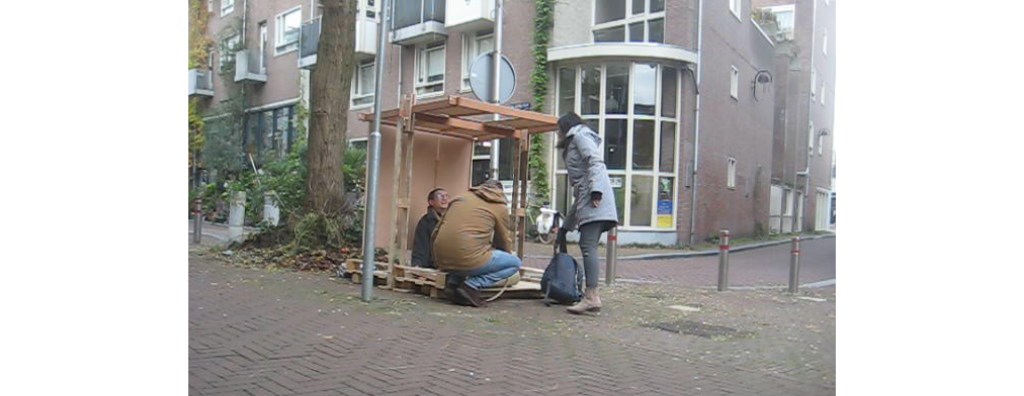
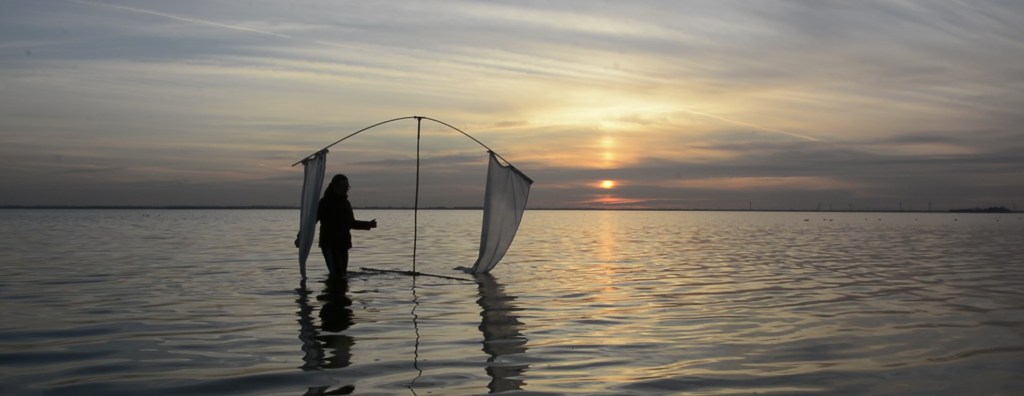
City Harvesters
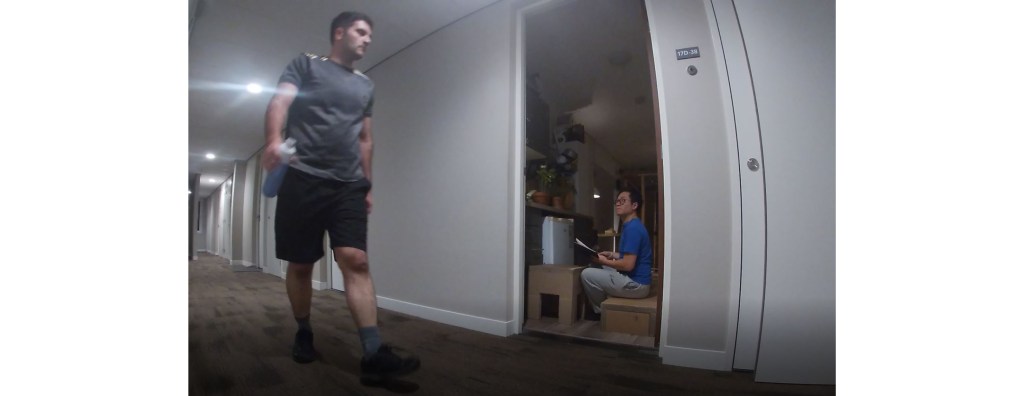
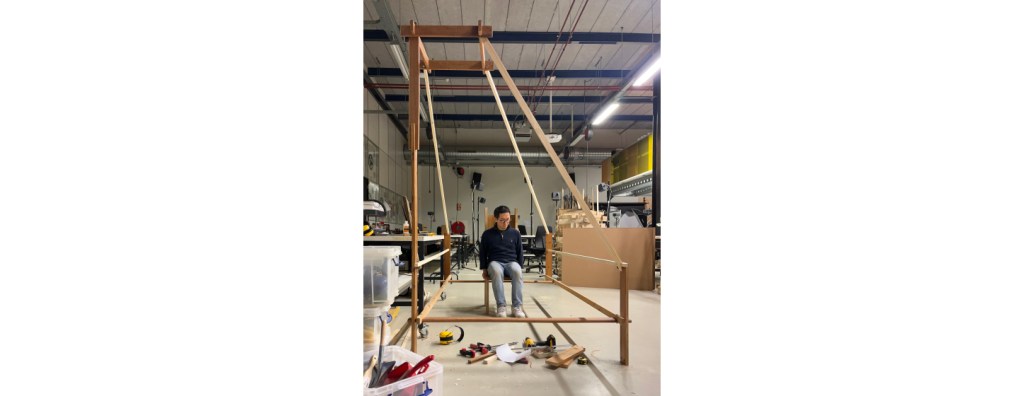
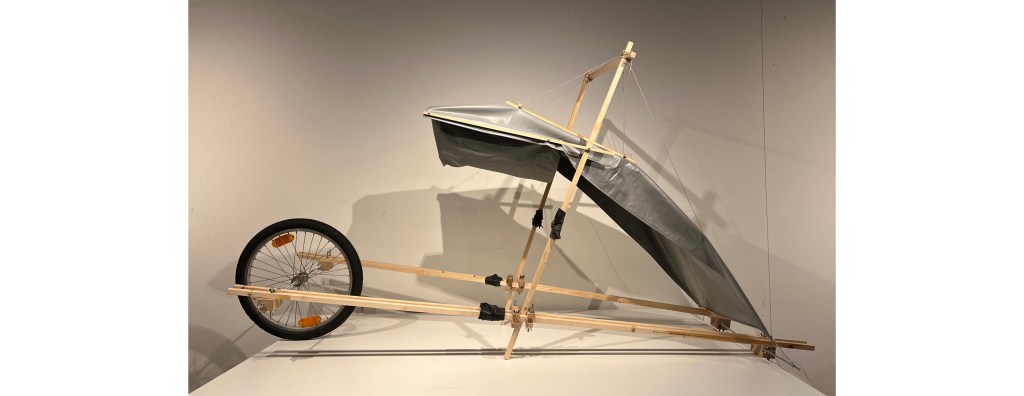
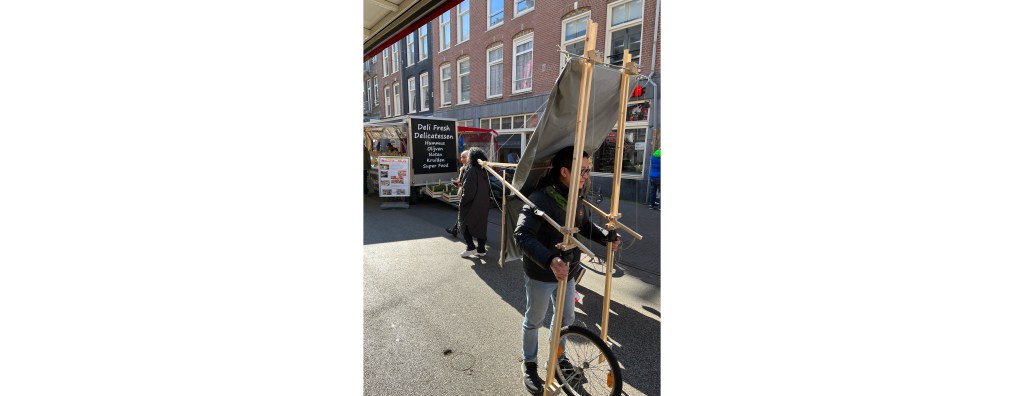
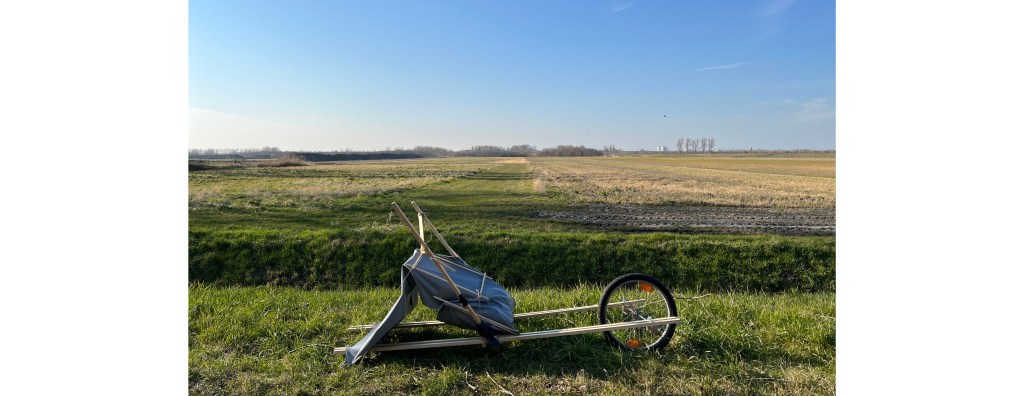
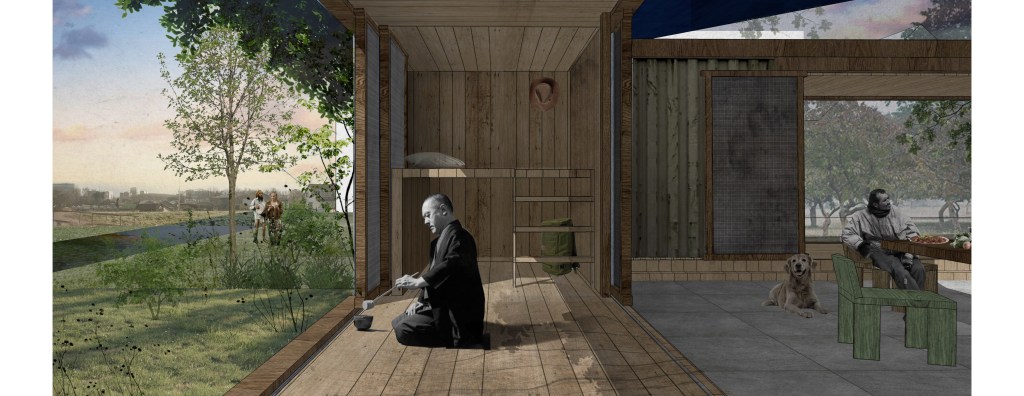
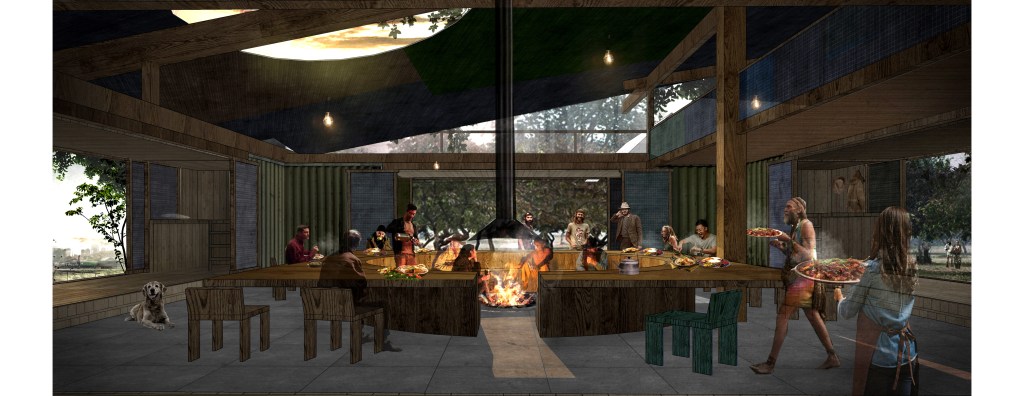
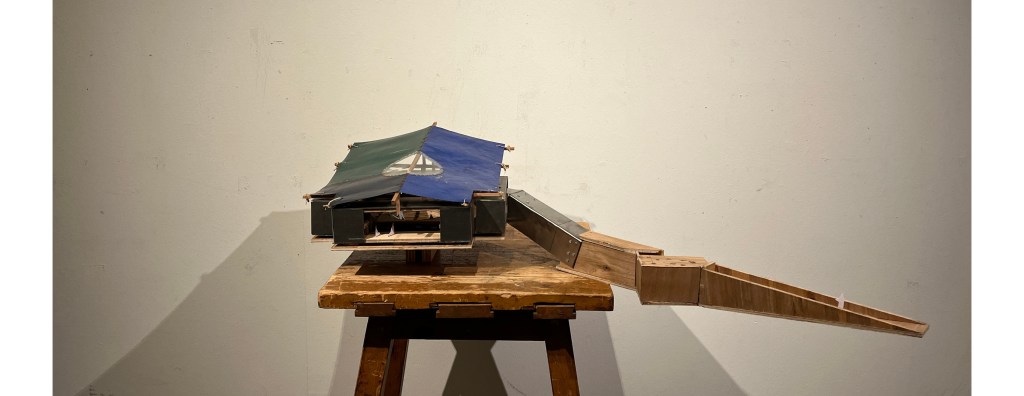
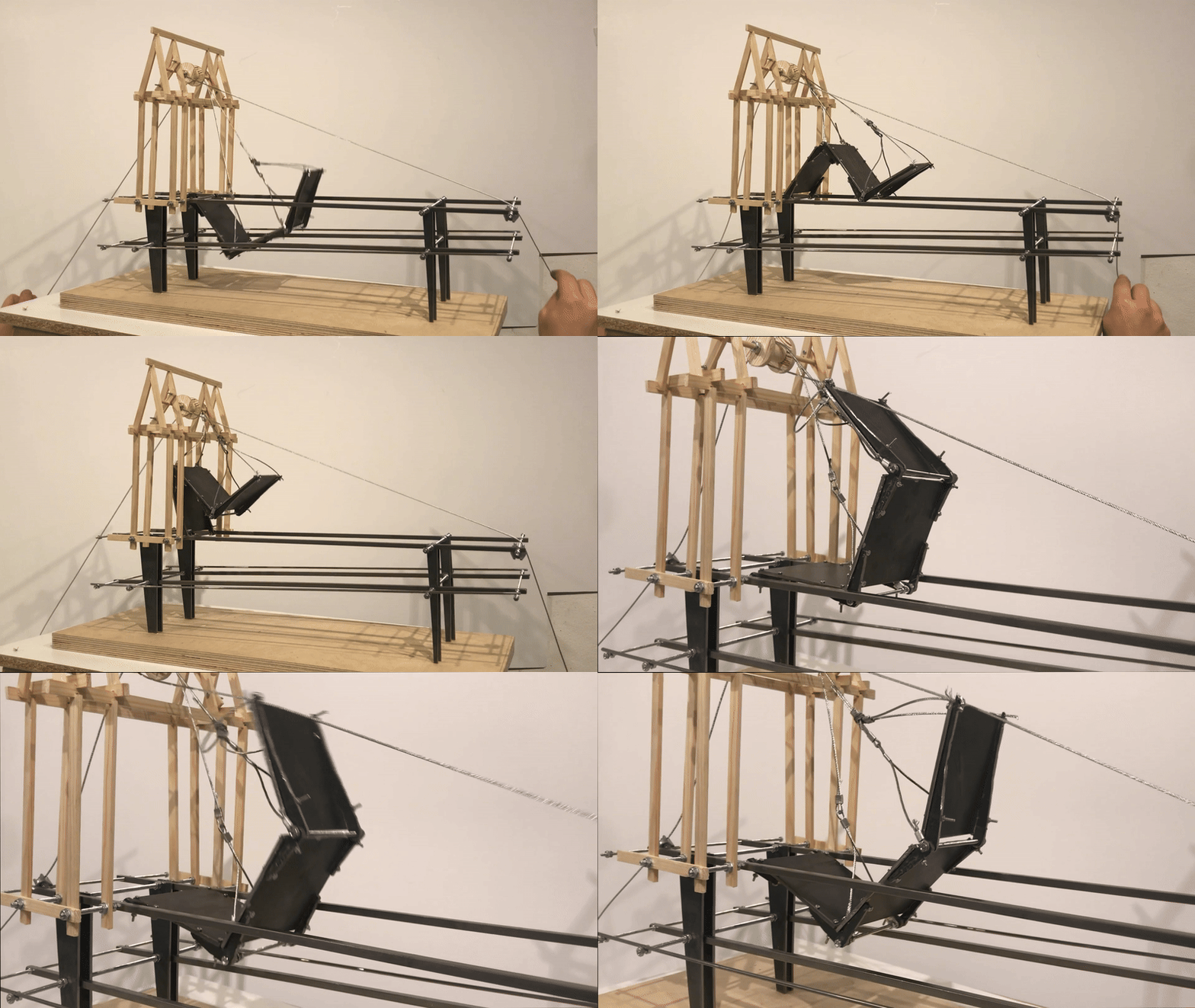
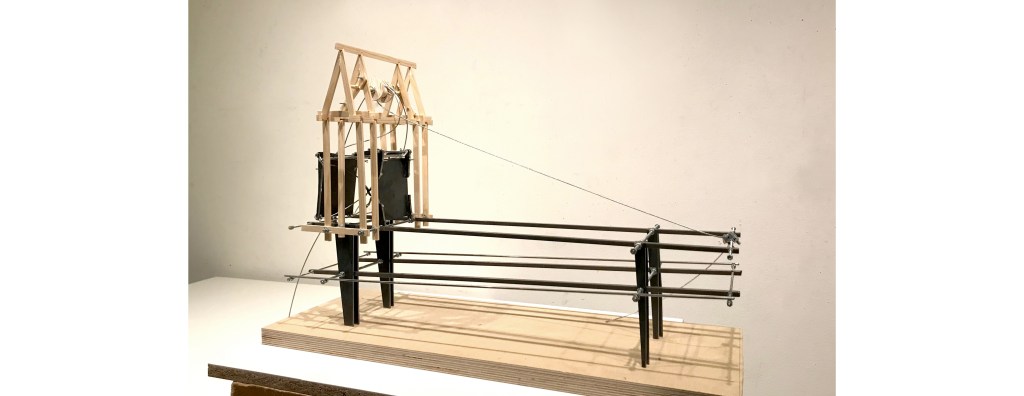
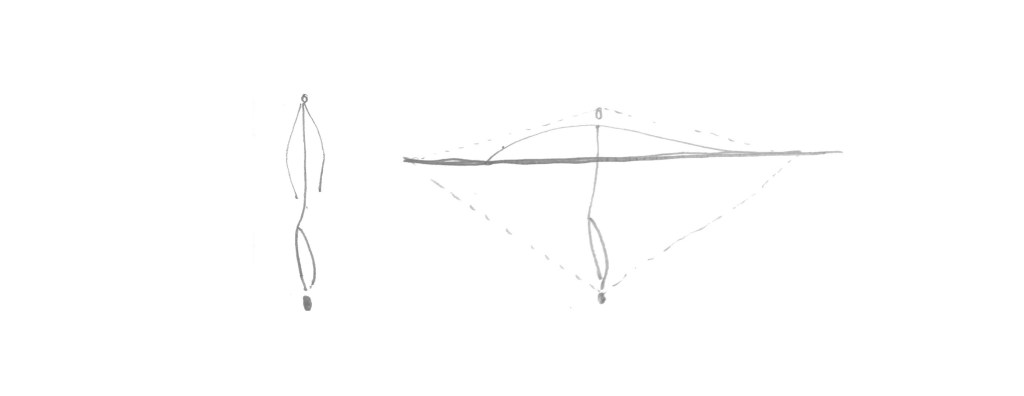
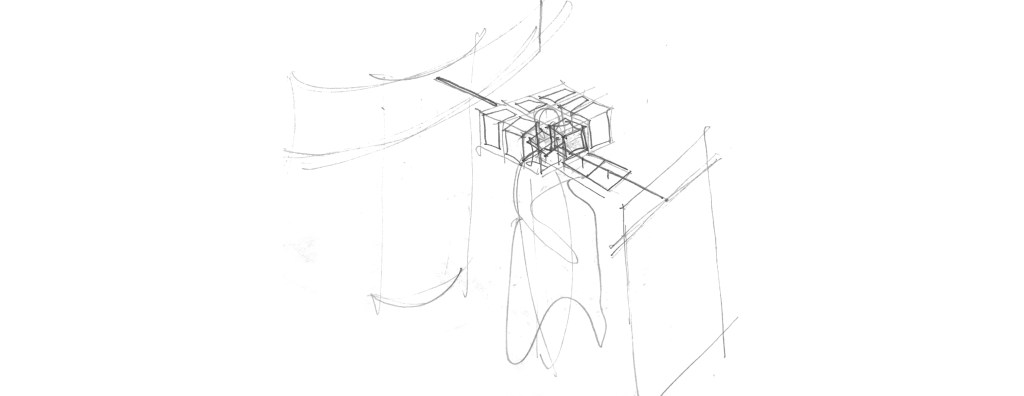
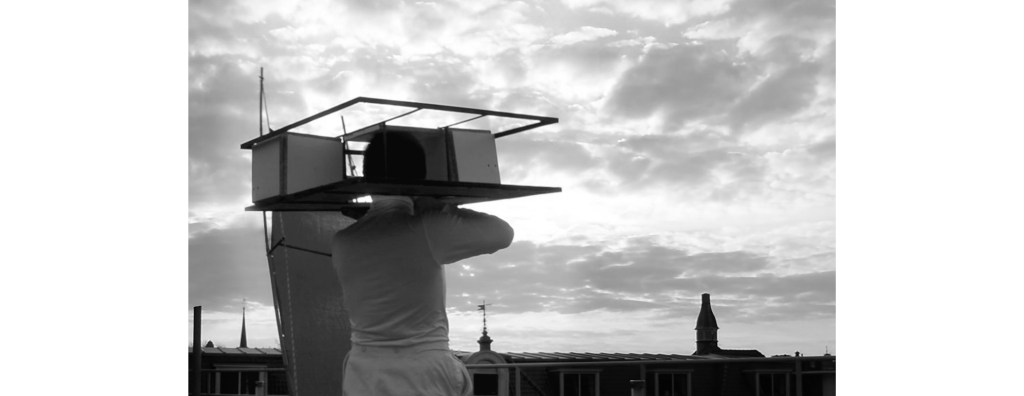
I met Karim, a homeless guy around my neighborhood in Amsterdam, what he does everyday is walking around the city with his backpack. I was inspired by this act of living in the city, so I thought I am going to do the same: I carry a space around my body, walk for one day, and collect waste food.
I call myself, or this act of walking: the City Harvesters. The idea is that, these City Harvesters, they collect waste food around the city during the day, and come together at night to cook and share the meal.

Workshop: In Conversation With Memory
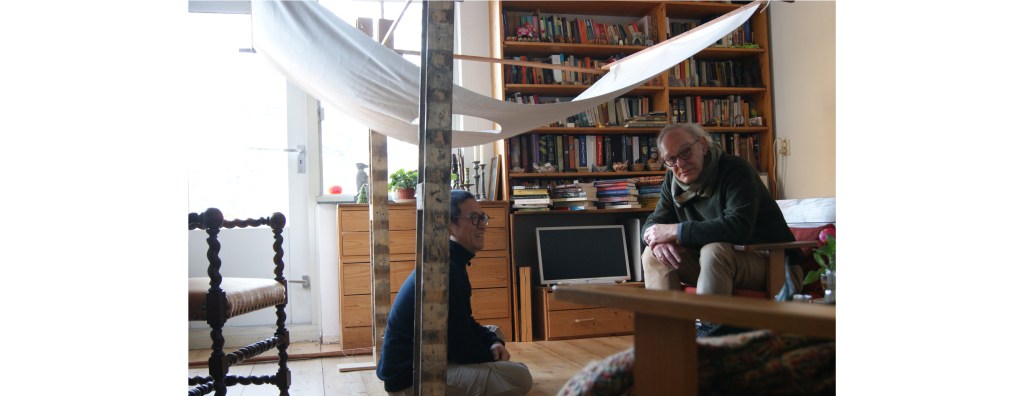
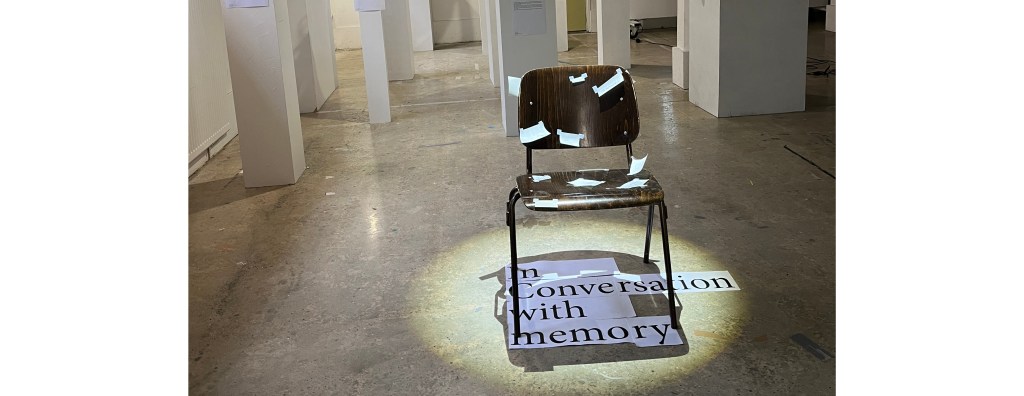
I believe when I think about my memory is when I start a conversation, with myself or the abstraction of the self. This dialogue guides me to travel to a special location where memories about an object, an event, a person, a time which are even though based on reality, they float, they have special forms, they do not function as the way they are supposed to be, they are big, they are small, sometimes odds, sometimes fictive, but most of the time a treasure, because they are you, they live in you, like a box filled with memories you carry along.
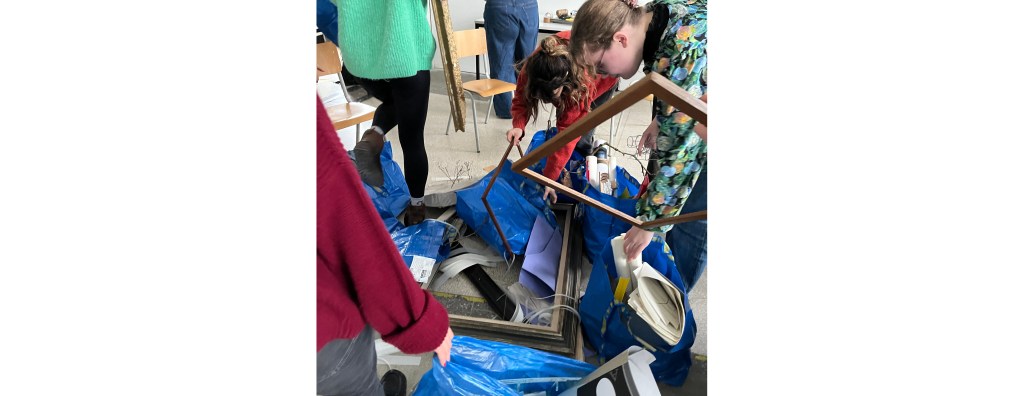
This workshop is an invitation to travel to this special location, to open this box, to believe in it. In this travel, students were having three conversations with memory:
The first one is to locate a specific memory, what feels dearest to us, through having a conversation with each other.
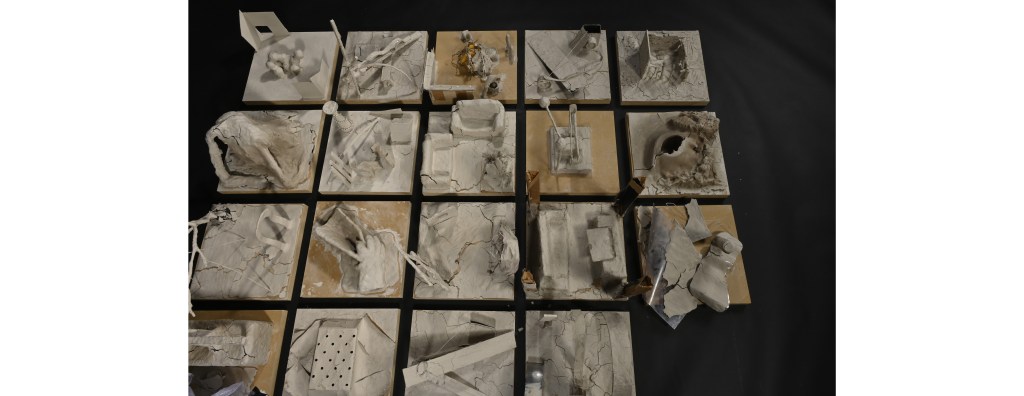
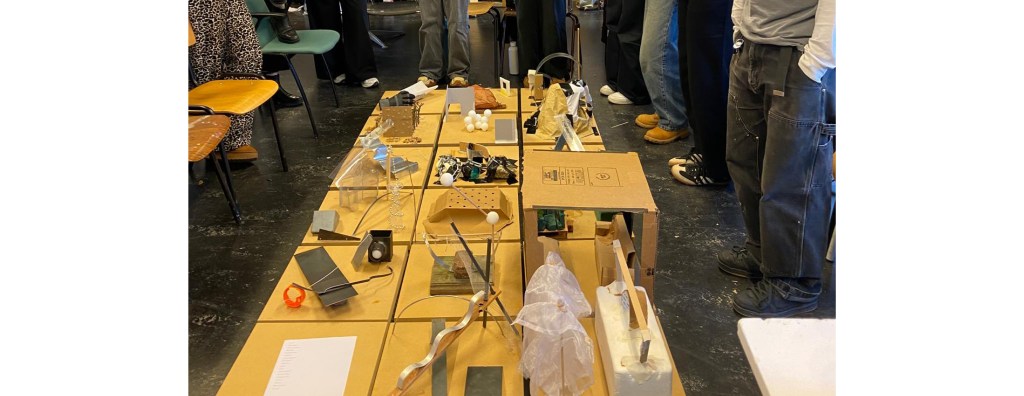
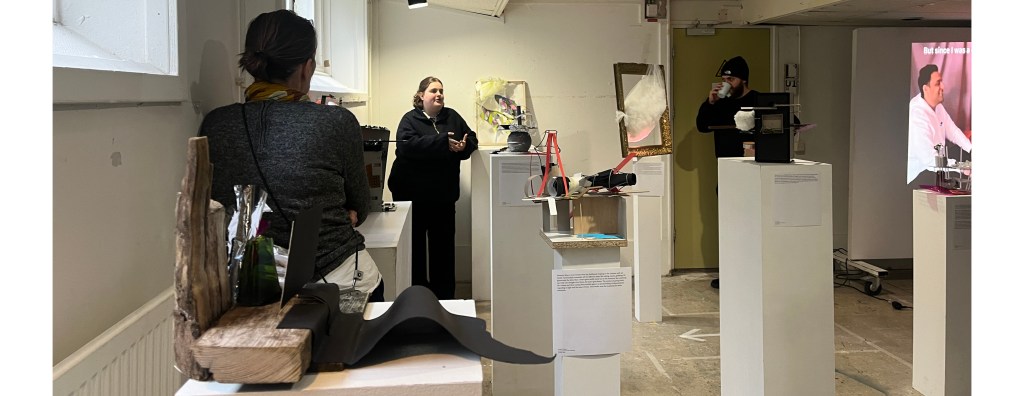
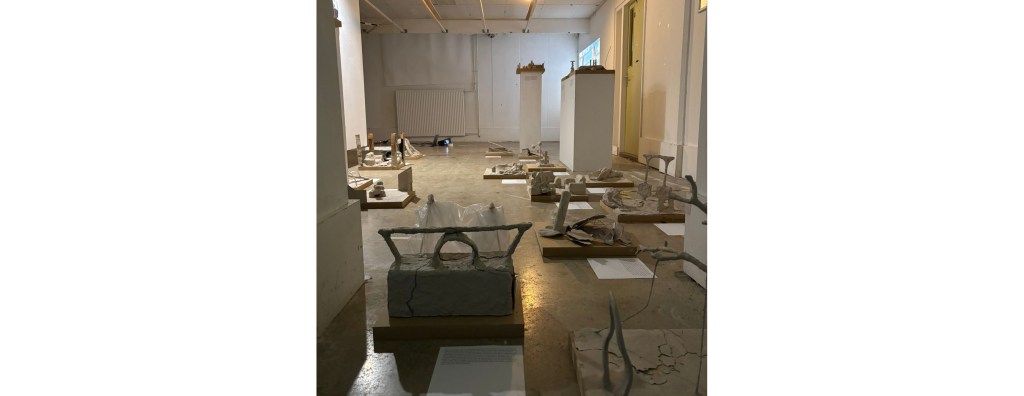
The second one is to give a tangible form to this memory through making scale models.
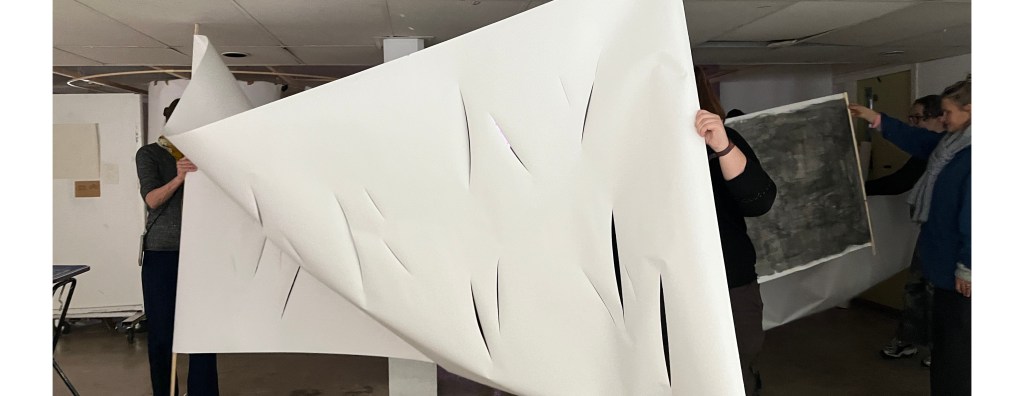
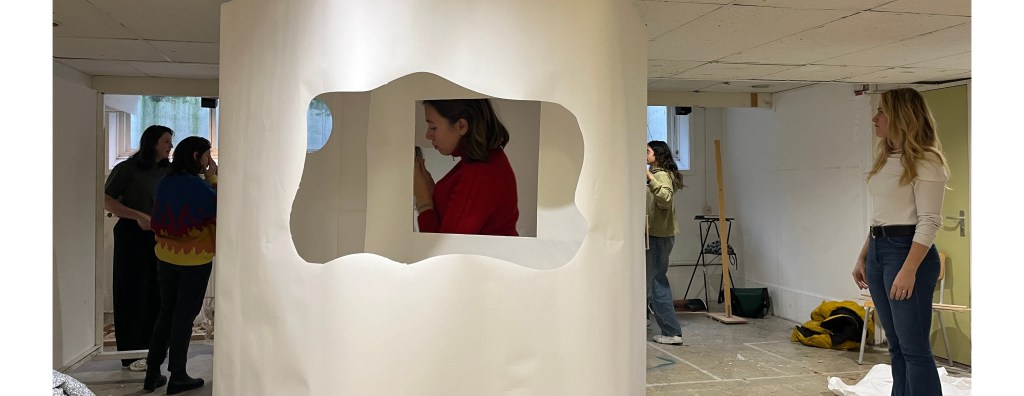
The third one is to search for a way to carry on with this memory, so it is a nostalgic work of memory but what is the meaning of memorizing, does it give us a sign, a hint for something else? Would you carry with you into the space of your body, would you think of sharing this memory to others? Students were encouraged to communicate via installations, body sized models, performances.
Participants: Bachelor students IN_architecture, Master students Corpo-real, ArtEZ University of the Arts Zwolle.
Tutor: Phuong Dao
Supervisor and guest critic: Marlies Boterman
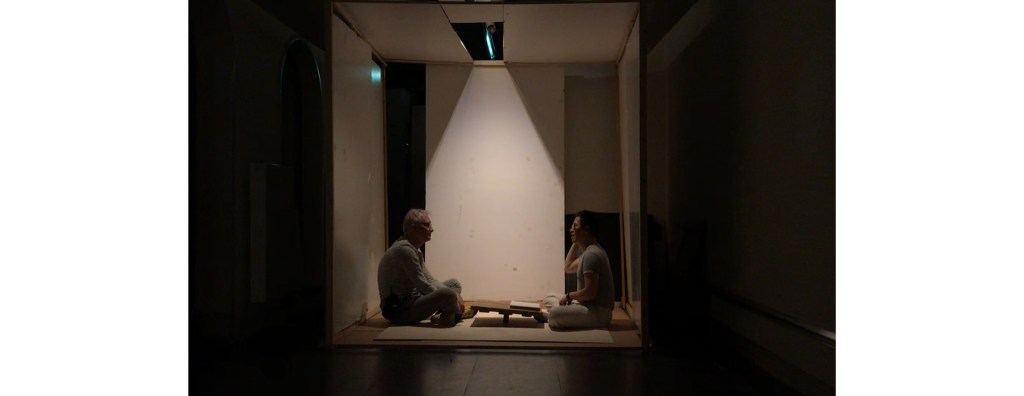
Free space
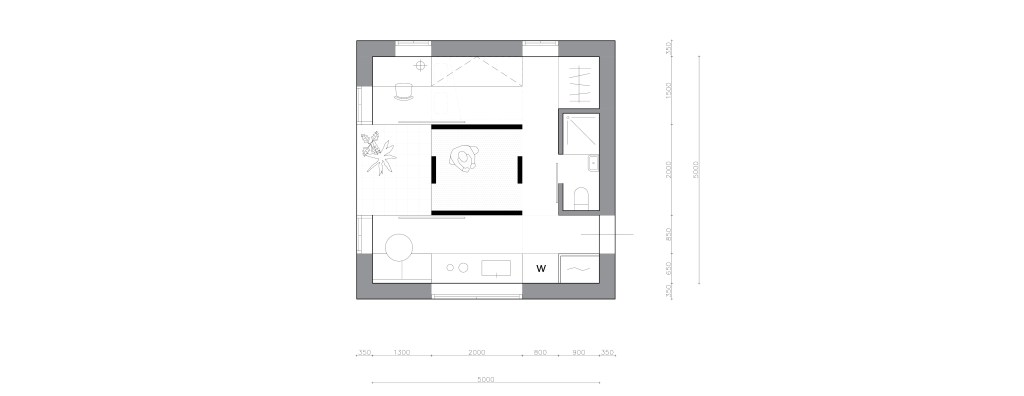
“I thought of a vague memory I had of a text by Heissenbüttel in which the narrator discovers a room without either doors or windows. I thought of the dreams I had had on this very subject, discovering a room I didn’t know about in my own apartment.”
– Georges Perec, Species of Spaces and Other Pieces

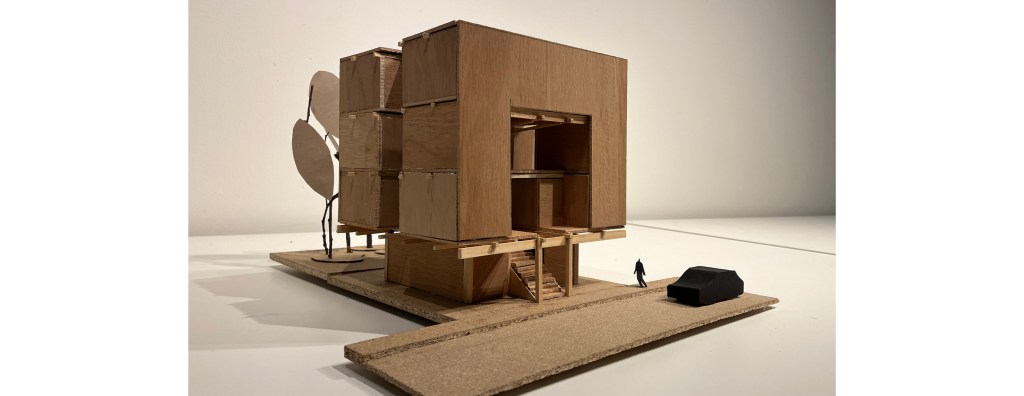
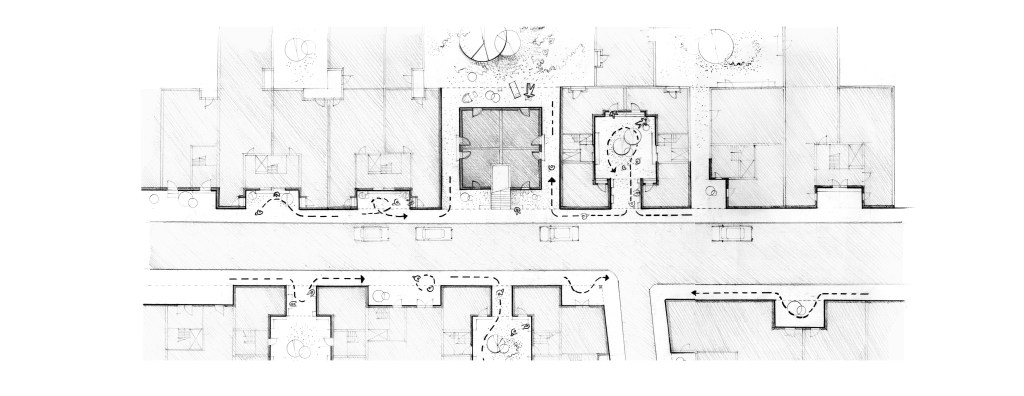
Another Space
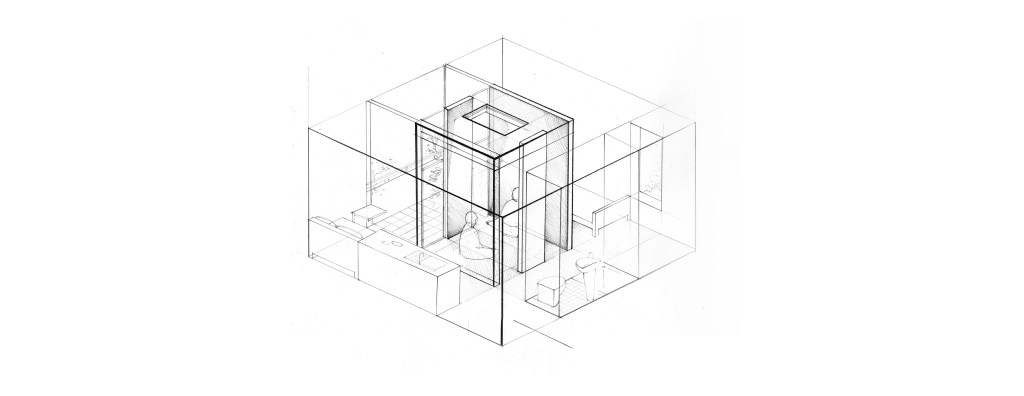
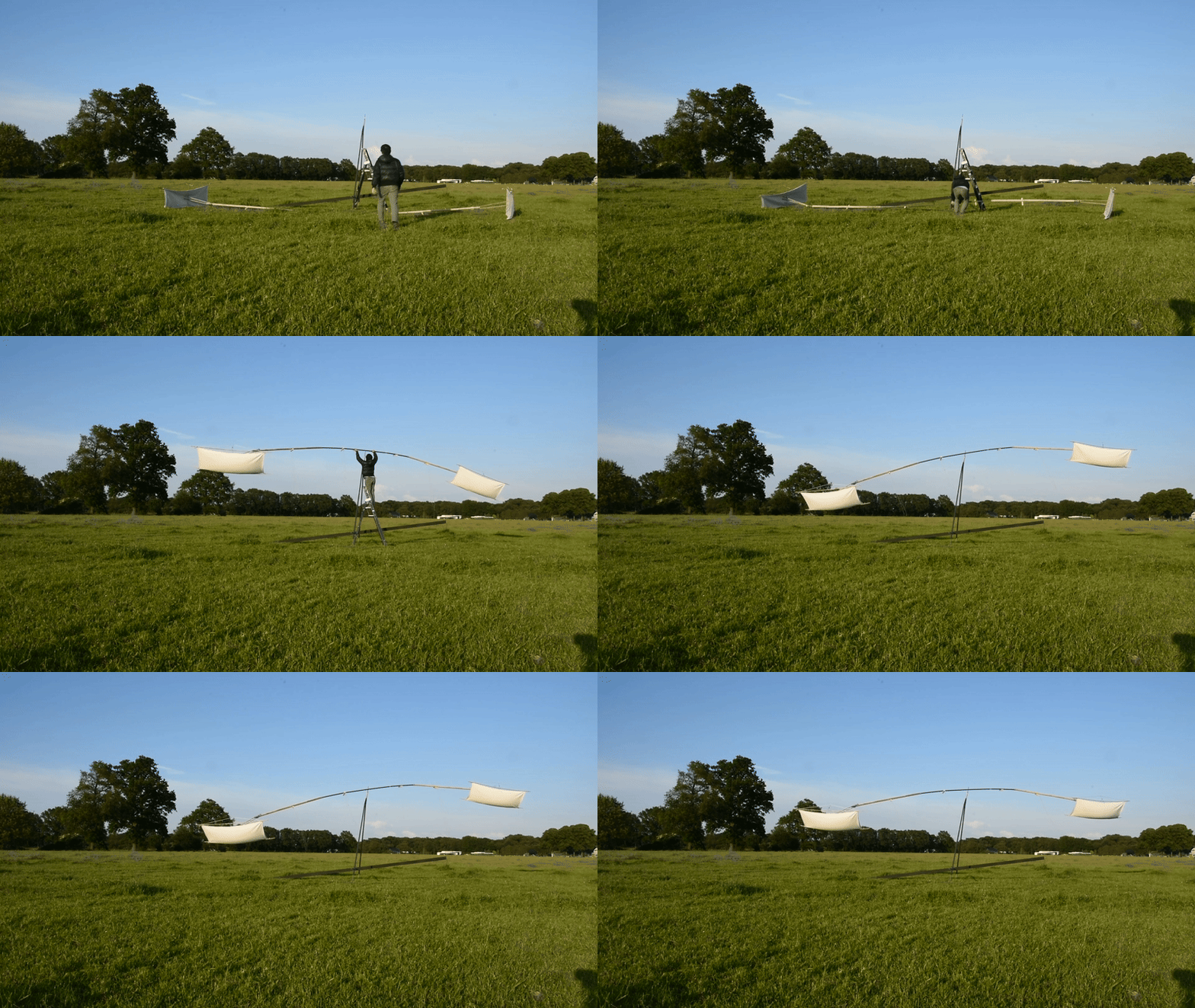
“Ma is never a peaceful golden mean, but a place of the harshest conflict. And it is with ma thus informed with harshness that I want to continue to try and provoke the human spirit”. – Tadao Ando, Thinking in ma- El Croquis Tadao Ando- 1983-1992.
In this world full of changes, may there be the momentary of balance that one could spend the whole life searching for.
External link: https://www.archined.nl/2021/03/another-space-archiprix-2020/
© Phuong Dao 2026

